Foods That Help with Menopause Naturally Ease Symptoms
- 1.
What even *is* menopause—and why do our bodies throw a full-on garage sale during it?
- 2.
Flaxseeds: tiny but mighty soldiers for hormonal harmony
- 3.
Cruciferous crew: broccoli, kale, and the estrogen detox squad
- 4.
Soy done right: not the villain, just misunderstood
- 5.
Oh, omega-3s: the chill pill our nervous system forgot to pack
- 6.
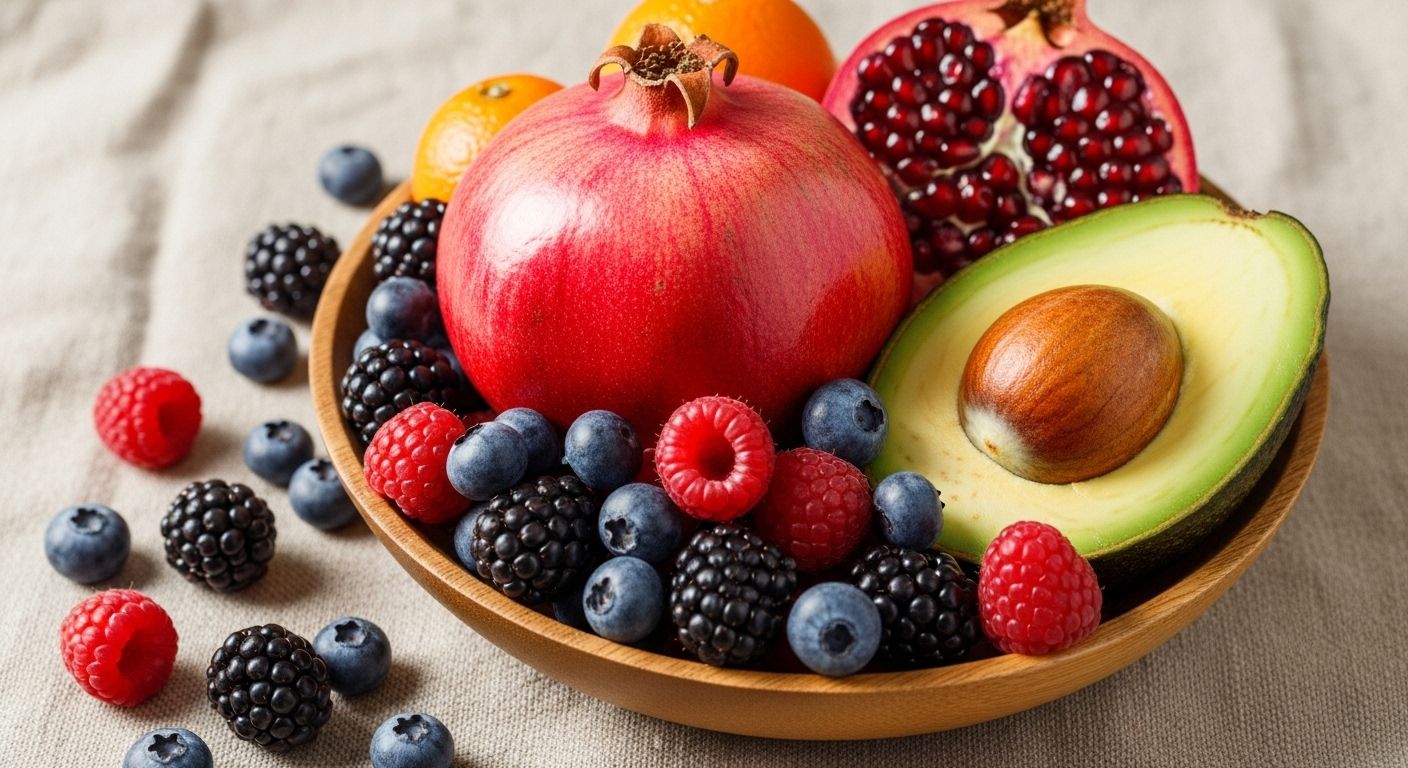
Foods that help with menopause naturally—visualized in glorious technicolor
- 7.
Magnesium: the unsung hero for midnight leg cramps and 3 a.m. existential dread
- 8.
What *not* to eat? Spoiler: it’s not just sugar (but yeah, sugar’s guilty)
- 9.
Liquids that lift: what to sip when your body’s feelin’ like a dried-up creek bed
- 10.
Melting the “menopause belly”: it’s not fat—it’s fluid, stress, and slow metabolism
- 11.
Honoring the journey with real food, real talk, and real sisterhood
Table of Contents
foods that help with menopause naturally
What even *is* menopause—and why do our bodies throw a full-on garage sale during it?
Y’all ever walk into a room, forget why you’re there, and blame it on “brain fog”—only to realize it’s your hormones doing the cha-cha slide in slow-mo? Menopause ain’t just hot flashes and mood swings—it’s your body’s way of handing in its estrogen badge. But hey, before you go cryin’ into your chamomile tea, lemme tell ya: food can be your wingwoman. Yep—foods that help with menopause naturally? They’re out there, wearin’ stretchy pants and holdin’ the door open for your sanity.
Flaxseeds: tiny but mighty soldiers for hormonal harmony
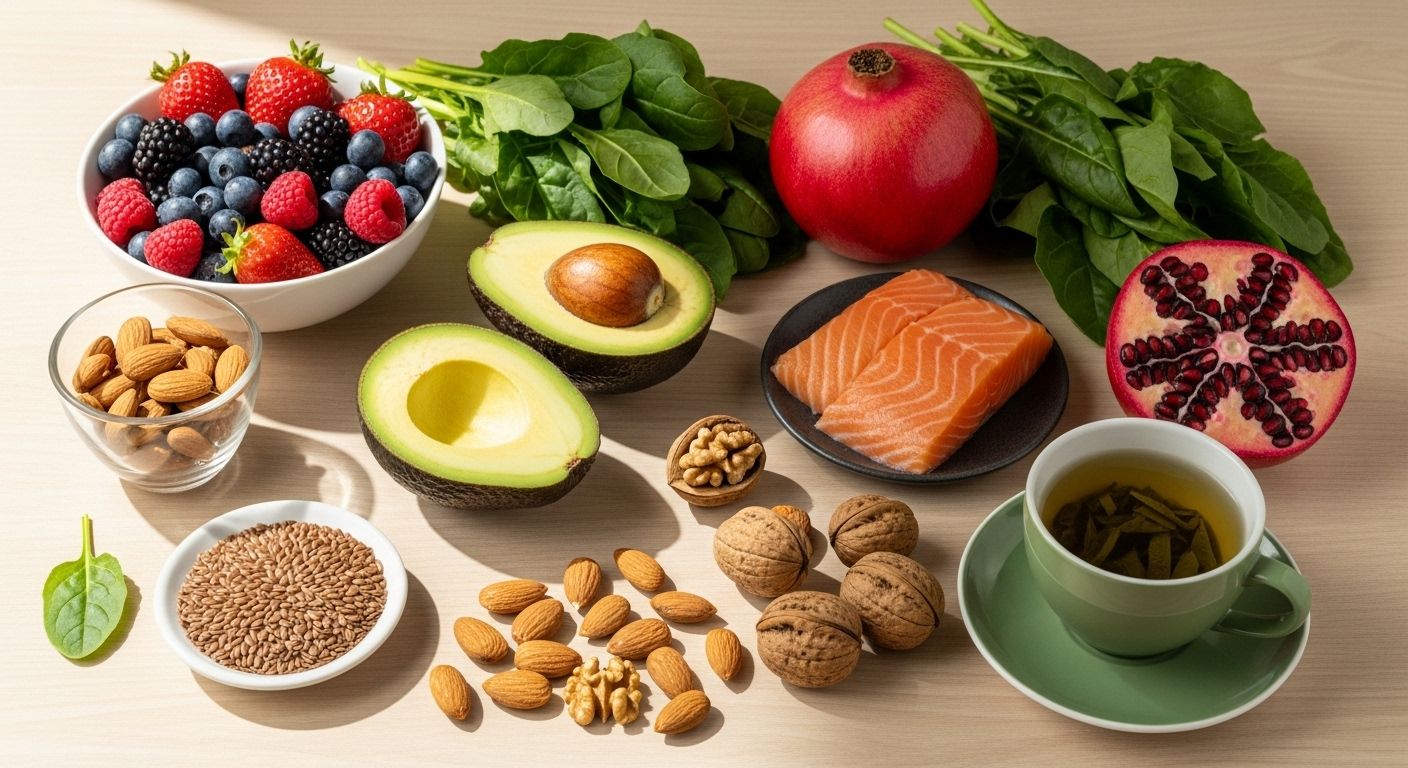
Let’s talk flax. Not the gym, not the brand—flaxseeds. These little speckled nuggets pack a wallop of lignans, a type of phytoestrogen that gently whispers to your estrogen receptors: *“Hey, we got this.”* Two tablespoons a day can slash hot flash frequency by up to 50% in some studies (more on that later). Grind ‘em, toss ‘em in oatmeal, or sneak ‘em into your smoothie—just don’t swallow ‘em whole, ‘cause they’ll ghost ya like a text left on read. And yep, flax is one of the top-ranked foods that help with menopause naturally, especially for those dry-night blues and bone-density blues.
Cruciferous crew: broccoli, kale, and the estrogen detox squad
How sulforaphane in broccoli supports liver detox for estrogen balance
Broccoli ain’t just for side dishes at Thanksgiving—it’s basically a liver spa day in floret form. Sulforaphane, its superstar compound, revs up liver enzymes that help break down excess estrogen and shuttle it outta Dodge. Ever feel bloated, sluggish, like your metabolism took a nap in a hammock? Yep—that’s estrogen hangover. Foods that help with menopause naturally like kale, arugula, Brussels sprouts, and bok choy? They’re the cleanup crew after the hormonal frat party. Lightly steam or sauté—raw’s fine, but don’t go boiling the life outta ‘em.
Soy done right: not the villain, just misunderstood
Fermented vs. unfermented soy—why miso wins the menopause crown
Oh, soy. The tofu of controversy. Some folks reckon it’s poison; others swear by it like their grandma’s pie recipe. Truth? Fermented soy—think miso, tempeh, natto—is the golden child for menopause. Why? Fermentation unlocks isoflavones (daidzein → equol), which mimic estrogen *just enough* to soothe symptoms—without cranking the volume too high. A 2023 meta-review found women eating 40–80 mg isoflavones daily reported 20–30% fewer hot flashes. And no, you don’t gotta chug soy milk by the gallon—just toss a spoonful of miso in your soup or crumble tempeh on your salad. Foods that help with menopause naturally? Soy’s in the top five—if you play it smart.
Oh, omega-3s: the chill pill our nervous system forgot to pack
Feelin’ like your nerves are frayed socks and your mood’s a rollercoaster with no brakes? Enter: omega-3 fatty acids. Found in fatty fish (wild-caught salmon, mackerel, sardines), walnuts, and chia seeds, these fats dial down inflammation like a dimmer switch on a strobe light. Inflammation? Major culprit behind joint aches, brain fog, *and* that weird “menopause belly” that just… appears. A 2024 RCT showed women taking 1.5g/day EPA+DHA for 12 weeks had 37% less irritability and better sleep continuity. Moral? Slap some smoked salmon on whole-grain toast, sprinkle chia on yogurt, or pop a high-quality fish oil (aim for 1,000 mg EPA+DHA daily, ~$25/month). Foods that help with menopause naturally? Omega-3s? Non-negotiable.
Foods that help with menopause naturally—visualized in glorious technicolor
Y’all asked for proof? Here’s a snapshot of the MVPs—ranked by symptom support, backed by clinical oomph:
| Food | Key Compound | Primary Benefit | Daily Serving Suggestion |
|---|---|---|---|
| Ground flaxseed | Lignans | Hot flash ↓, vaginal dryness ↓ | 2 Tbsp |
| Fermented soy (tempeh/miso) | Equol-producing isoflavones | Night sweats ↓, bone density ↑ | ½ cup tempeh or 1 Tbsp miso |
| Wild salmon | EPA/DHA | Mood swings ↓, brain fog ↓ | 4–6 oz, 2x/week |
| Broccoli (steamed) | Sulforaphane | Estrogen detox ↑, bloating ↓ | 1 cup, 4x/week |
| Almonds + pumpkin seeds | Magnesium + zinc | Sleep quality ↑, cramps ↓ | ¼ cup mix |
Magnesium: the unsung hero for midnight leg cramps and 3 a.m. existential dread
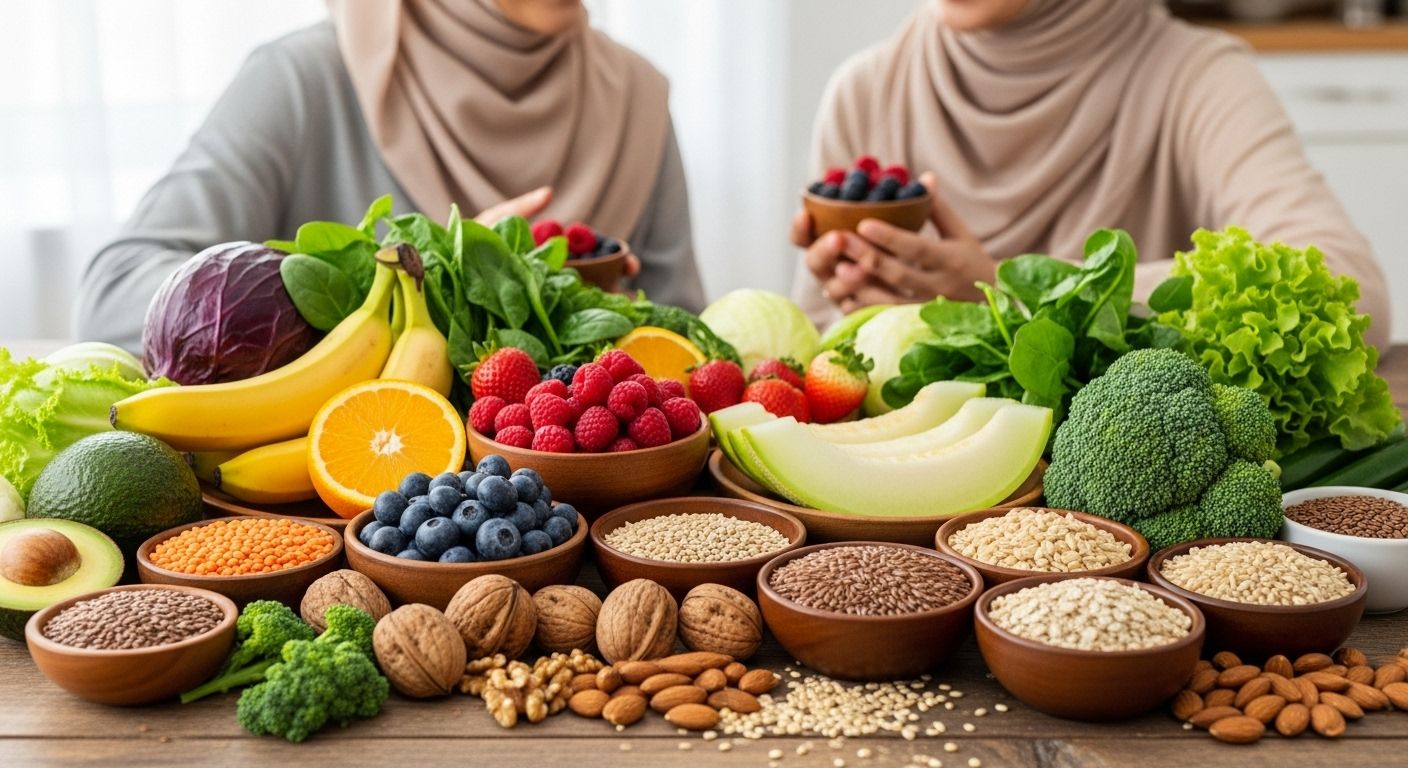
Y’all ever wake up at 2:47 a.m. with a calf cramp so sharp you swear you’ve been stabbed by a disgruntled squirrel? Magnesium deficiency’s probably backstage, sippin’ a margarita. This mineral’s the OG relaxant—calms nerves, regulates cortisol, and tells melatonin, *“Yo, clock in.”* Pumpkin seeds (pepitas), spinach, black beans, and dark chocolate (70%+ cacao) are loaded. A 2022 trial? Women taking 320 mg magnesium glycinate nightly slept 48 minutes longer and woke up 1.7x less. Pro tip: Skip the oxide—it’s cheap, but your gut’s like, *“Nah, I’m good.”* Go glycinate or citrate. These foods that help with menopause naturally? They don’t scream—they *soothe*.
What *not* to eat? Spoiler: it’s not just sugar (but yeah, sugar’s guilty)
Let’s be real: that third coffee at 3 p.m. might feel like a lifesaver, but caffeine’s a hot flash accelerant—especially on empty stomachs. And alcohol? Oh, honey. Booze = vasodilator + liver stressor + sleep saboteur. One glass of wine can spike body temp 1.8°F in susceptible folks. Then there’s refined sugar—hello, insulin rollercoaster, goodbye stable moods. And ultra-processed snacks? Loaded with trans fats and sodium, they bloat you *and* stoke inflammation. Bottom line? If it comes in a wrapper with >5 ingredients you can’t pronounce? Probably not one of the foods that help with menopause naturally. Swap soda for sparkling water + lime, pastry for apple + almond butter, and chips for roasted chickpeas. Your future self’ll send thank-you notes.
Liquids that lift: what to sip when your body’s feelin’ like a dried-up creek bed
Herbal heroes—red clover, black cohosh, and the tea-time trifecta
Thirsty? Good. Hydration alone eases dry skin, dry eyes, and—yep—vaginal dryness (yes, really). But let’s upgrade that H₂O: Red clover tea delivers biochanin A, a gentle phytoestrogen. Sage tea? Clinically shown to reduce hot flash severity by 64% in 8 weeks. And hibiscus? Packed with anthocyanins—antioxidants that lower BP *and* cool internal heat. Pro move: Brew a quart, chill, add mint + lemon slices, and sip all day. Skip the “menopause miracle” tonics sold for $45 a bottle—most are just fancy water with a side of hope. Real talk? The best drinks for menopause cost under $10/week and taste like a spa day in a mason jar. These are legit foods that help with menopause naturally—even if they’re liquid.
Melting the “menopause belly”: it’s not fat—it’s fluid, stress, and slow metabolism
That muffin top ain’t laziness—it’s cortisol + insulin resistance + declining growth hormone teaming up like villains in a Netflix series. But guess what? Certain foods that help with menopause naturally double as belly-busters. Protein-rich plants (lentils, edamame) keep you full and preserve muscle. Apple cider vinegar (1 Tbsp in water pre-meal) improves insulin sensitivity. Green tea (2–3 cups) boosts fat oxidation by 17%. And don’t sleep on fiber—30g/day from veggies, berries, oats—feeds good gut bugs that regulate weight and mood. One study: women increasing fiber by 14g/day lost 4.2 lbs over 6 months—*without* dieting. So no, crunches won’t fix it. But food? Might just be your best coach.
Honoring the journey with real food, real talk, and real sisterhood
We’ve walked through flax fields and soy valleys, dodged caffeine traps and sugar sirens—all in the name of finding foods that help with menopause naturally. And if you’re still here, brows furrowed, Googling “why do I crave pickles and peanut butter at midnight?”—girl, same. This ain’t about perfection. It’s about showing up—for yourself—with a fork, a spoon, and a little grace. For more wisdom (and zero judgment), swing by Southasiansisters.org, dive into our Health section, or check out our deep-dive on menopause dryness natural remedies restore comfort. You’re not fading—you’re *fermenting*. And fermentation? That’s how the good stuff gets made.
Frequently Asked Questions
What are the best foods to eat in menopause?
The best foods that help with menopause naturally include ground flaxseeds (for lignans), fermented soy like tempeh and miso (for equol-producing isoflavones), fatty fish rich in omega-3s (for mood and inflammation), cruciferous veggies like broccoli (for estrogen detox), and magnesium-rich foods like pumpkin seeds and dark leafy greens. These support hormonal balance, reduce hot flashes, improve sleep, and protect bone density—all without a single pill.
What not to eat when menopausal?
Steer clear of caffeine (triggers hot flashes), alcohol (disrupts sleep and liver detox), refined sugars (spikes insulin and inflammation), and ultra-processed foods high in trans fats and sodium. These worsen symptoms like night sweats, bloating, mood swings, and that stubborn menopause belly. Instead, choose whole, fiber-rich, anti-inflammatory options—real foods that help with menopause naturally.
What can I drink for menopause?
Hydration is key—but level up with herbal allies: sage tea (clinically shown to reduce hot flashes), red clover tea (gentle phytoestrogens), and hibiscus (lowers BP and cools internal heat). Green tea (2–3 cups) supports metabolism, and warm water with lemon + ACV before meals aids digestion. Avoid sugary sodas and excess coffee—opt for drinks that are part of the foods that help with menopause naturally toolkit.
What foods get rid of menopause belly?
The “menopause belly” isn’t just fat—it’s fluid retention and metabolic slowdown. Focus on high-fiber foods (berries, lentils, oats), quality plant + animal protein (to preserve muscle), omega-3s (to lower inflammation), and apple cider vinegar (to improve insulin sensitivity). Green tea and fermented foods (kefir, kimchi) also support gut health—a major player in weight regulation. Yep, these are powerful foods that help with menopause naturally—and yes, they work from the inside out.
References
- https://www.ncbi.nlm.nih.gov/pmc/articles/PMC8945012/
- https://www.mayoclinic.org/healthy-lifestyle/womens-health/in-depth/menopause/art-20045392
- https://www.hsph.harvard.edu/nutritionsource/menopause-diet/
- https://www.endocrine.org/patient-engagement/endocrine-library/menopause-and-hormone-therapy